


Our Sustainability Promise
Our commitment to kaitiakitanga: Guardianship of place, people and performance
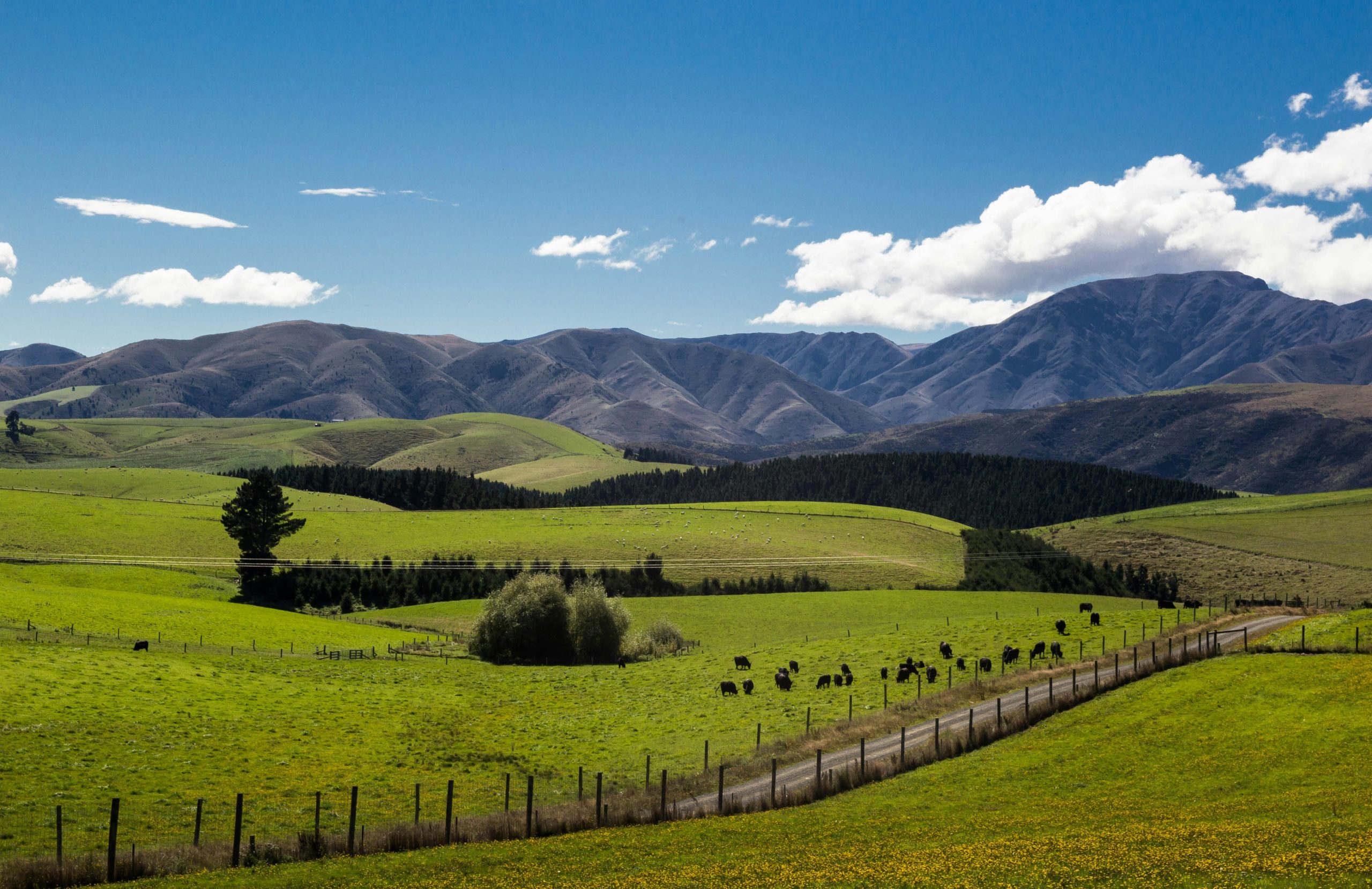
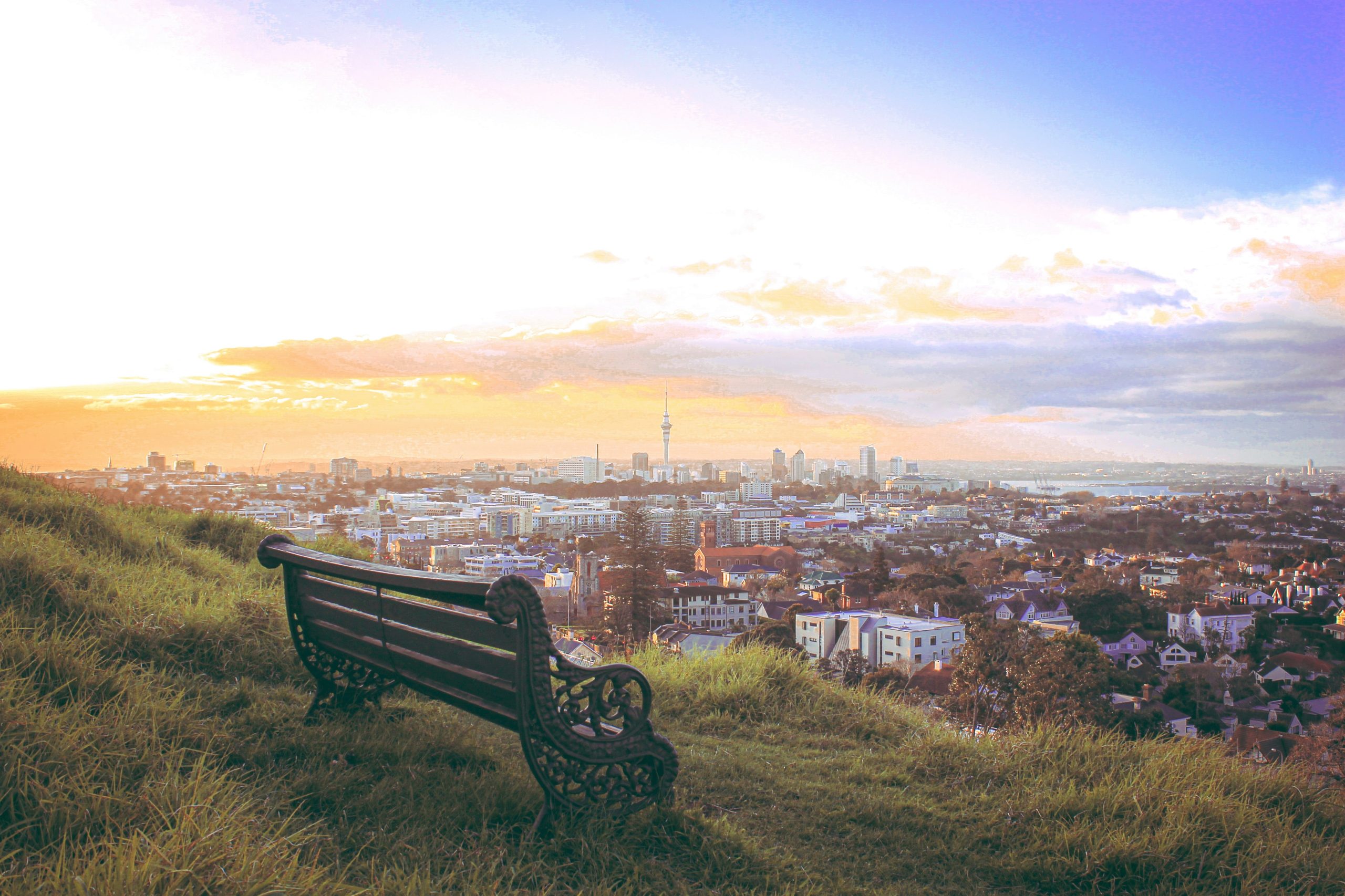
The Michael Hill International Violin Competition (MHIVC) takes place in one of the most extraordinary natural environments on earth – the mountains, lakes and ancient forests of Aotearoa New Zealand’s Whakatipu Basin and the unique geography of Auckland, an urban city shaped by its harbours, volcanic landscapes and surrounding coastlines.
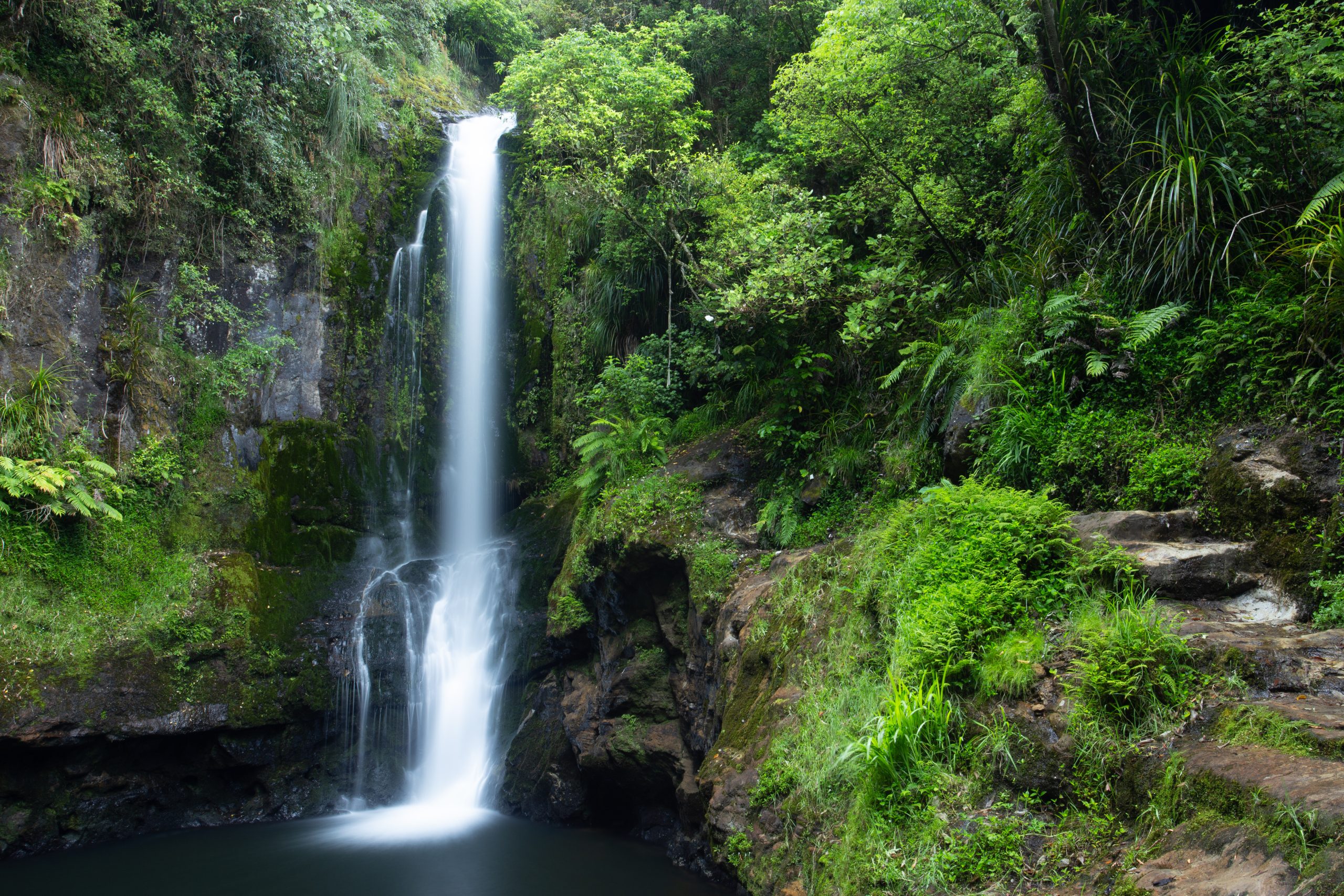
In Te Ao Māori, the natural world is not separate from human experience. Every mountain has a name, every river a story, every forest a whakapapa (history). The biodiversity of this region, from the kākā and whio that nest in its valleys to the ancient podocarp forests that line its shores, represents an ecological inheritance of incredible value.
We believe that presenting world-class art in this setting carries a responsibility: to honour it, to protect it and leave it better than we found it.
Our values
The MHIVC is guided by a set of principles that align our artistic mission with our environmental obligations. We embrace the spirit of the Tiaki Promise – a commitment to care for Aotearoa New Zealand, for now and for future generations. Tiaki means to care for people, place and culture. It invites us to form a deeper connection with this land and to reflect that connection in our attitudes and actions.
We align with the regenerative tourism vision of Destination Queenstown and the Love Queenstown community fund, which channels the love residents and visitors have for this place into tangible environmental action, from native tree planting and reforestation to biodiversity conservation across the Whakatipu Basin. The Queenstown Lakes region has set an ambitious goal: a carbon-zero visitor economy by 2030. We are proud to contribute to that aspiration.
We also align with the environmental protection aspirations of Tātaki Auckland Unlimited and the environmental leadership of Auckland Council, alongside community initiatives that channel the care both residents and visitors have for this region into tangible environmental action. From large-scale native regeneration and pest-free island sanctuaries in the Hauraki Gulf, to urban ngahere restoration and coastal protection, Auckland’s approach reflects a collective commitment to kaitiakitanga – guardianship of its unique natural and cultural landscapes.
What we are doing
Reducing Our Carbon Footprint
We recognise that gathering international artists and audiences has an inherent emissions cost. We are working to minimise that impact in every way available to us:
- Extended residency, not short turnarounds: All artists and staff travel for an on-ground duration of eight days, ensuring that the carbon cost of travel is justified by meaningful creative engagement with the community
- Carbon offsets for all air travel: We purchase verified carbon offsets for every flight associated with the competition
- Local ground transportation: No artist or staff air travel closer than Christchurch. We encourage economy class, use electric vehicles where possible, and prioritise public transport routes for competitor housing.
- Digital-first audience reach: With over 1.3 million digital viewers alongside approximately 2,000 live attendees, the MHIVC is inherently a low-emissions-per-audience-member event. We continue to invest in high-quality livestream and delayed broadcast to extend our reach without extending our footprint. We opt for digital programmes and marketing materials wherever possible.
- Minimal energy use: Venue heating and lighting are limited to artist safety requirements. All lights are off when spaces are not in use. We work with production suppliers to source energy-efficient equipment.
- Virtual meetings: Planning meetings are conducted by video conference wherever possible, reducing travel for organisational purposes.
Minimising waste
Our waste minimisation plan targets a 90% diversion rate from landfill. Specific measures include:
- Only reusable or recyclable serviceware is permitted from food and beverage vendors
- Front-of-house recycling and food waste stations with clear signage
- Food waste composted through local composting initiatives
- Reusable glassware at all hosted functions. BYO cup encouraged for all attendees
- Bulk purchasing rather than individually packaged items where suitable, particularly for crew catering
- Waste minimisation requirements integrated into all vendor agreements
- Post-event waste audit to measure success and inform future improvements
- Exploration of a digital programme book accessible on smartphones, reducing paper consumption.
Connecting artists with the land
In 2026 we have partnered with RealNZ to offer our competitors and Fellows a farm tour experience at Walter Peak High Country Farm on Lake Whakatipu. It is an opportunity for young international artists to witness regenerative agriculture in action, learn about native reforestation efforts and understand the interconnection between healthy soil, thriving ecosystems and the wellbeing of communities.
Our competitors are housed with local host families rather than in hotels, a practice that reduces commercial accommodation demand, embeds artists within the community, and offers genuine cross-cultural exchange.
Why biodiversity matters here
The Whakatipu Basin sits within a landscape of extraordinary ecological significance. Alpine tussock grasslands, beech forests, wetlands and glacial lakes support species found nowhere else on earth.
In parallel, Auckland occupies a unique ecological setting shaped by its harbours, volcanic landscapes and the island ecosystems of the Hauraki Gulf. Native bush remnants, coastal habitats and marine reserves support rich and diverse biodiversity, much of it fragile and under restoration.
Yet these environments are under pressure. Climate change is altering weather patterns, coastlines and ocean conditions. Invasive predators and plant species threaten native wildlife. Water quality in our lakes, harbours and rivers requires constant vigilance.
As an arts organisation operating in this environment, we have a duty to pay attention and to act.
What you can do
Whether you are attending in person or watching from afar, you can be part of our commitment to this place.
If you are attending one of our events:
- Bring a reusable cup to the venue. Help us eliminate single-use beverage cups.
- Use public transport or carpool where possible. The Queenstown Memorial Centre and Auckland Town Hall are well served by bus routes.
- Separate your waste carefully using the recycling and composting stations in the foyer.
In your own time:
- Tread lightly. If you explore the beauty of New Zealand’s nature during your stay, follow the Tiaki Promise: care for land, sea and nature, leave no trace, and give wildlife space.
- Support Love Queenstown. Consider a contribution to the Love Queenstown community fund, which supports native reforestation, biodiversity conservation and climate action across the region
- Support Auckland’s biodiversity initiatives such as Auckland Climate Action, Predator Free NZ, Climate Connect NZ, Revive our Gulf and Pest-free Auckland
If you are watching online:
- Share the message. Spread awareness of the Tiaki Promise and the regenerative tourism vision through your own networks.
- Reflect on your own impact. The principles of kaitiakitanga are universal. Consider how you might apply them in your own community.
- Plan a future visit thoughtfully. If this competition inspires you to visit Aotearoa New Zealand, travel slowly, stay longer, and engage with the community.
Great music does not exist in isolation from the world. It is shaped by the air that carries it, the communities that receive it and the places that give it meaning.